The Hidden Human Rights Risks in Your Beauty Cabinet
A new report reveals that eight widely used beauty ingredients, including palm oil, cocoa and shea nuts, carry high risks of child and forced labour. Here's what it means for conscious consumers.

The Hidden Human Rights Risks in Your Beauty Cabinet
When we reach for our favourite moisturiser, lipstick or body butter, we rarely think about what's inside—or where it came from. But a new report from risk intelligence firm Verisk Maplecroft reveals that some of the most common ingredients in our beauty products are linked to serious human rights concerns, including child and forced labour.
The analysis examined eight widely used cosmetics ingredients and found widespread exposure to labour abuses in their supply chains. Among the most problematic commodities were palm oil, cocoa and shea nuts—ingredients that appear in everything from skincare and haircare to makeup and fragrance.
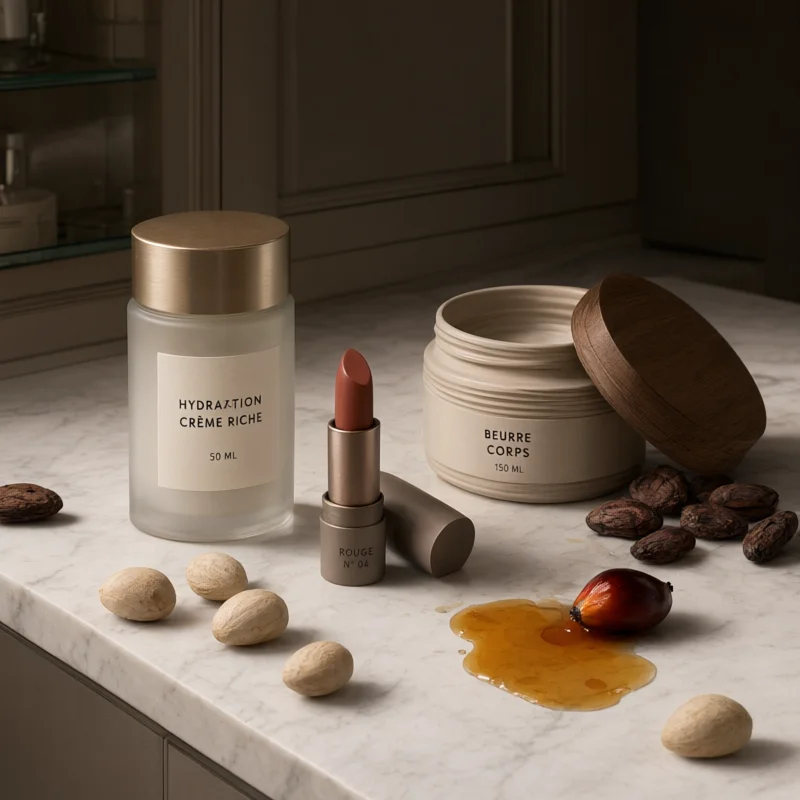
What the Report Found
Verisk Maplecroft's assessment highlights a troubling reality: the raw materials that form the backbone of the beauty industry often originate from regions where labour protections are weak and exploitation is pervasive. The eight ingredients assessed were found to carry high risks of child and forced labour, with palm oil, cocoa and shea nuts singled out as particularly concerning.
These aren't niche ingredients. Palm oil is one of the most ubiquitous substances in cosmetics, used as an emulsifier, surfactant and moisturising agent. Cocoa butter is a staple in lip products and body care. Shea butter has become a go-to for natural and clean beauty brands alike. Their prevalence makes the findings all the more significant.
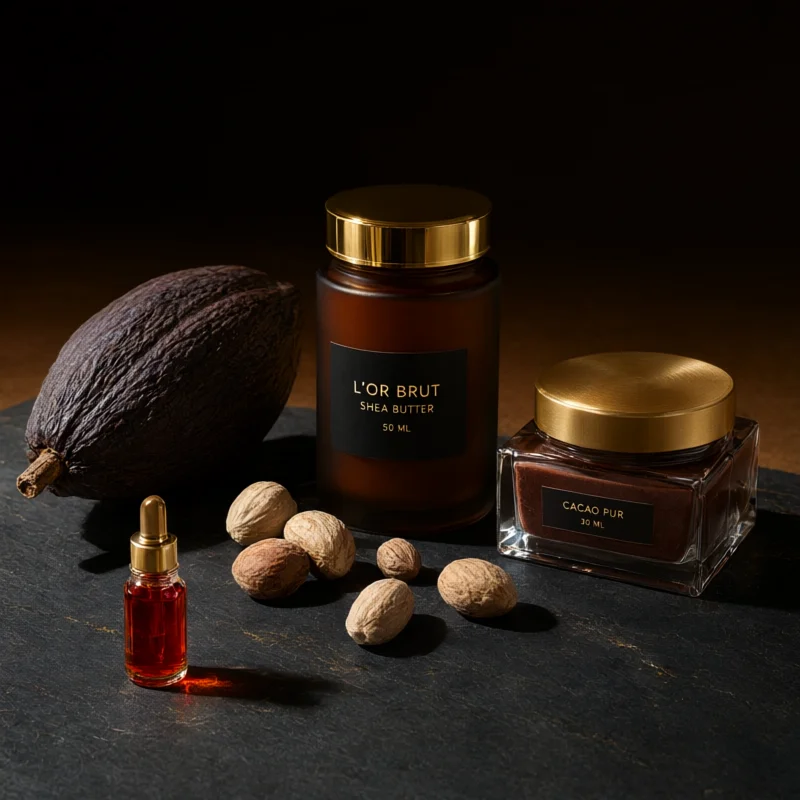
Why This Matters for Beauty Consumers
For years, the beauty industry has focused on sustainability messaging around packaging, cruelty-free claims and clean formulations. But this report shifts attention to a less visible—and arguably more urgent—issue: the human cost of the ingredients we apply to our skin.
Consumers are increasingly asking tough questions about provenance and ethics. They want to know not just whether a product is vegan or recyclable, but whether the people who harvested its ingredients were treated fairly. The report suggests that, in many cases, the answer is no.
This creates a challenge for brands that have built their reputations on ethical sourcing. It also presents an opportunity: companies that invest in transparent, traceable supply chains can differentiate themselves in a crowded market.
The Complicated Reality of Natural Ingredients
The irony is that many of the ingredients flagged in the report are those most associated with "natural" and "clean" beauty. Shea nuts, cocoa and palm oil are plant-derived, biodegradable and often marketed as gentler alternatives to synthetic compounds.
But natural doesn't automatically mean ethical. The cultivation and harvesting of these crops frequently rely on smallholder farmers and informal labour networks, where oversight is limited and exploitation can flourish. Without robust certification and auditing, even well-intentioned brands may unknowingly source from suppliers with poor labour practices.
What Can Be Done
Addressing these risks requires action at multiple levels. Brands must invest in supply chain transparency, moving beyond tier-one suppliers to understand where raw materials originate. Certification schemes such as Fairtrade and Rainforest Alliance can help, but they are not a panacea—coverage is uneven and enforcement varies.
Consumers also have a role to play. By supporting brands that publish detailed sourcing information and prioritise ethical labour practices, shoppers can signal that human rights matter. Advocacy for stronger regulation, particularly in producing countries, is equally important.
The report serves as a reminder that beauty is not just about appearance. It's about the lives touched by every ingredient in every product. As the industry continues to evolve, putting people at the centre of sourcing decisions will be essential—not just for brand reputation, but for basic human dignity.
Conclusion
The findings from Verisk Maplecroft make one thing clear: the beauty industry's supply chains are not as clean as its marketing suggests. Ingredients like palm oil, cocoa and shea nuts carry real human rights risks that demand attention. For consumers, the takeaway is to look beyond the label and ask harder questions. For brands, the message is that ethical sourcing can no longer be an afterthought—it must be a core commitment. Only then can beauty truly be as good as it promises.
Explore more insights
Keep reading fashion apparel & accessories trends on TrendSeekin.
Comments 0