The Categories Where 'Clean' Still Matters: Why Cosmetics and Fragrance Are Winning
Clean skincare has lost momentum as shoppers chase clinically proven formulas. But in cosmetics and fragrance, clean positioning is thriving. Here's what's driving the shift.

The Categories Where 'Clean' Still Matters: Why Cosmetics and Fragrance Are Winning
Walk down any beauty aisle or scroll through any skincare feed, and you'll notice something: "clean" is no longer a tiny line of text tucked onto the back of a package. For a lot of shoppers, it has become a genuine decision-making filter — one that shapes what they pick up, what they put back, and what they buy again.
A few years ago, plenty of industry watchers predicted that clean beauty would cool off. Tighter regulations, marketing fatigue, and a crowded field of look-alike labels all seemed to point in that direction. And yet, cosmetics and fragrance keep winning consumers over on exactly this front. The reason isn't complicated: these are the products that touch our skin, enter our breathing, and sit close to our emotions and sense of self. When something gets that personal, "clean" stops being a trend and starts being a condition of trust.
This is a consumer's-eye view of why clean still matters in cosmetics and fragrance — and how it quietly shapes purchases, repeat buys, and brand loyalty.
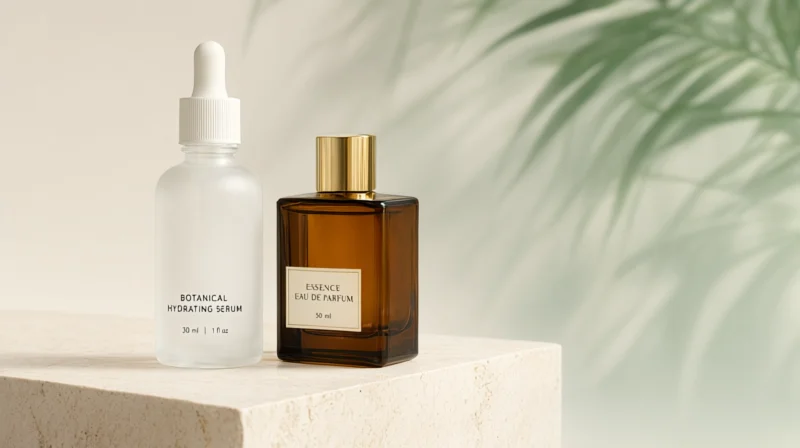
What "Clean" Means to Shoppers Now
From "natural" to "transparent"
Early on, most shoppers treated clean as a synonym for natural, plant-based, or free-from. That reading has matured. Today's consumers increasingly understand that natural doesn't automatically mean safe, and synthetic doesn't automatically mean harmful. What matters more is ingredient transparency, the logic behind a formula, and whether a brand is being honest with them. Clean, in this sense, is less a marketing slogan and more a right to information.
So the question has shifted. It's no longer just "what's not in it?" but "why is this in it, how much, and who is it safe for?"

From "does it work?" to "does it work and feel safe?"
Efficacy still rules. But younger shoppers in particular now ask a second set of questions before they commit: Will this ingredient irritate my skin? Is it safe for long-term use? Is it suitable for sensitive skin, pregnancy, or kids? Does the brand publish a full ingredient list?
Clean isn't positioned against performance anymore. It sits alongside it as a second layer of trust.
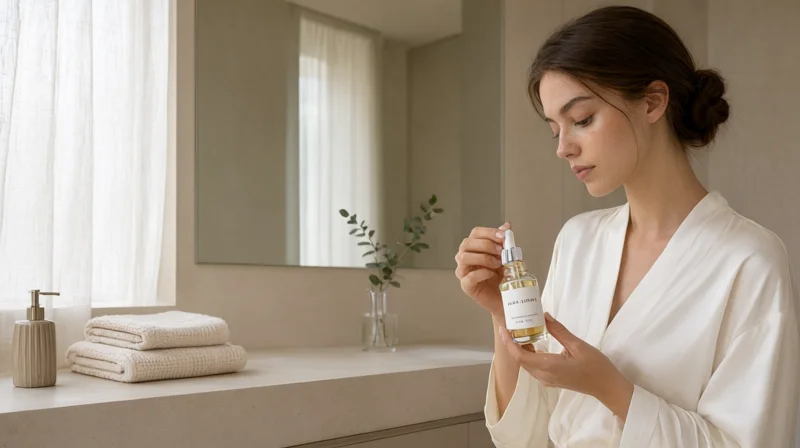
From personal choice to value expression
For many consumers, buying a clean cosmetic or fragrance isn't only about personal peace of mind. It's also a way to express what they care about — animal welfare, a lighter environmental footprint, ingredient sourcing and supply chains, and less wasteful packaging. That kind of value signaling shows up most clearly in highly visible categories like fragrance and color cosmetics, where what you wear is part of how you're seen.

Cosmetics: Why Clean Still Lands With Shoppers
Skin is the body's largest organ — and contact risk feels real
Cosmetics go directly onto skin, often on the face, around the eyes, and on the lips. Consumer sensitivity around what touches those areas has climbed sharply: Are fragrance, alcohol, and preservatives irritating? Do sunscreen, foundation, and concealer clog pores? Do cleansers and makeup removers strip the skin barrier? Has the formula been tested on sensitive skin?
In skincare and color cosmetics, clean tends to translate into fewer unnecessary ingredients, a clearer formula story, and something people feel comfortable using over the long term.
Sensitive skin is more common — and it's driving demand
Sensitive skin, compromised barriers, and acne-prone skin are increasingly common concerns. After enough trial and error, shoppers gravitate toward shorter ingredient lists, formulas that avoid known irritants, brands with dermatological or clinical testing, and products clearly labeled fragrance-free, alcohol-free, or non-comedogenic. This isn't necessarily a demand for "all natural." It's a demand for explainable, predictable, trustworthy.
In color cosmetics, clean leans toward "skin-caring" and "worry-free"
In makeup, clean often shows up bundled with claims like skin-caring foundations and serum-like lip products, formulas free of controversial ingredients such as talc, parabens, and phthalates, vegan and cruelty-free certifications, and recyclable or refillable packaging. People don't buy these products because they're "more natural." They buy them because they're less worrying.
Transparency is now table stakes
Shoppers have gotten into the habit of checking a full ingredient list before buying, searching individual ingredients for safety, comparing how different brands define their clean standards, and looking at whether a brand discloses its supply chain and test reports. For cosmetics brands, if clean stays a slogan without the information to back it up, trust evaporates fast.
Fragrance: Why Clean Is Becoming a Reason to Buy
Fragrance goes into your breathing and your mood
Unlike skincare, fragrance doesn't just touch skin — it travels through the sense of smell and lands directly on mood and memory. That makes consumers more cautious. Their clean concerns tend to focus on whether a scent uses controversial synthetic musks or phthalates, whether the fragrance sources are disclosed, whether it triggers headaches, allergies, or respiratory discomfort, and whether it's suitable around sensitive people and children.
Clean fragrance doesn't mean "no scent"
Shoppers don't read clean fragrance as odorless or weak. They read it as safer synthetics and naturals, fewer known allergens, an open look at the scent structure and ingredient origins, and a refusal to lean on overblown "natural" storytelling. Clean fragrance, then, tends to emphasize formula transparency and wearability rather than simply claiming to be pure.
Emotional value and a sense of safety, together
Fragrance is a deeply emotional category. People choose a scent because it makes them feel comfortable and confident, because it doesn't bother the people around them, and because it matches their idea of clean, fresh, or gentle. Here, clean is both a sensory experience and a kind of psychological safety.
Sustainability and animal welfare are bonus points
In fragrance, consumers also weigh whether animal-derived ingredients are used, whether animal testing is involved, whether refillable packaging is available, and whether the brand is reducing excess packaging and carbon footprint. These factors rarely decide a purchase on their own, but they noticeably shape brand preference and the odds of a repeat buy.
The Consumer Logic Behind "Clean" Purchases
Trust beats concept
Shoppers have gotten good at spotting fake clean: "free-from" claims with no ingredient list, "natural" labels that mask irritants, and "clean" price tags with no real difference behind them. Brands that actually win consumers tend to share a few traits — complete, readable ingredient lists; real, verifiable certifications; no dodging of controversial ingredients; and honest communication about both benefits and limitations.
Price-sensitive, but willing to pay for peace of mind
Consumers aren't necessarily willing to pay an unlimited premium for clean. But their willingness to spend goes up when a product touches sensitive areas, when a brand has a long safety record, when it reduces the cost of trial and error, and when refills or larger sizes offer better value. In other words, clean lands best when it balances efficacy, safety, and price.
Social media amplifies both ingredient anxiety and clean demand
On social platforms, ingredient breakdowns, avoid-lists, and sensitive-skin reviews spread fast. That cuts both ways. On one hand, consumers can become more anxious and overly cautious. On the other, it pushes brands to raise transparency and formulation standards. For cosmetics and fragrance, this amplification has turned clean from an optional selling point into a baseline expectation.
How Brands Can Answer the Clean Expectation
Define what clean actually means
Brands need to be specific: What is the clean standard? Which ingredients are excluded? Which regulations or certifications back it up? Is it suitable for sensitive skin, pregnancy, and similar groups? Vague clean storytelling weakens trust rather than building it.
Make information verifiable
Consumers want full ingredient lists, safety assessments or test results, supply chain and sourcing details, and packaging and refill information. The easier that information is to find, the smoother the purchase decision becomes.
Don't pit clean against efficacy
Shoppers don't want to trade results for safety. Brands that pair clean formulas with real performance are far more likely to earn long-term loyalty.
Respect the consumer's judgment
Fear-based marketing, pseudo-science language, and moral pressure are losing their grip. Consumers would rather be treated as capable decision-makers than as targets to be manipulated.
Conclusion: Clean Isn't a Trend — It's Trust Being Rebuilt
Clean still matters in cosmetics and fragrance not because shoppers are blindly chasing a concept, but because these products touch skin, breath, and emotion directly; because expectations around ingredient transparency and long-term safety keep rising; because once trust is lost, marketing rarely wins it back; and because clean can coexist with efficacy, emotional value, and sustainability.
For brands, the real challenge isn't whether to talk about clean. It's whether they can turn clean from a word on a package into something consumers can verify, feel, and come back for. For consumers, clean isn't a black-and-white choice either. It's a more mature, more rational way to buy — knowing what you care about, and knowing what you're willing to pay for.
In that sense, cosmetics and fragrance are winning on clean not because they tell the best stories, but because they sit closest to our bodies, our senses, and our trust.
Explore more insights
Keep reading fashion apparel & accessories trends on TrendSeekin.
Comments 0