How Fashion and Beauty Brands Can Get Category Expansion Right
Category expansion can drive fast growth and longevity for beauty and fashion brands. Here's how to balance rapid product development with a coherent point of view.

How Fashion and Beauty Brands Can Get Category Expansion Right
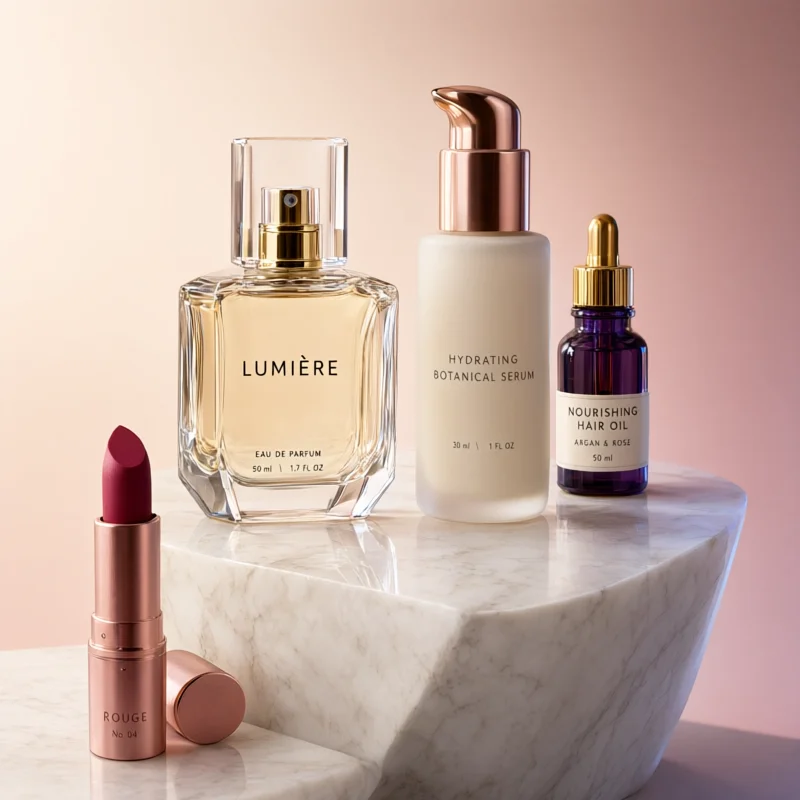
Most beauty brands begin with a single focus—skincare, makeup, fragrance, or hair care. But scaling into a multi-category empire is widely seen as the industry's ultimate goal. Category expansion can deliver both rapid growth and long-term longevity, yet it comes with a critical challenge: staying true to your brand while chasing new opportunities.
The Promise and Pressure of Category Expansion
Launching a new beauty segment offers obvious rewards. It opens fresh revenue streams, attracts new customers, and deepens relationships with existing ones. For fashion and accessories brands, moving into adjacent categories—such as fragrance, body care, or cosmetics—can extend the brand's world and create new reasons for shoppers to engage.
But the current market rewards speed. Viral trends and hype cycles push companies to develop products faster than ever. The risk is clear: when quick launches outpace a coherent point of view, brands can lose the very identity that made them distinctive in the first place.

Why a Coherent Point of View Matters
A brand's point of view is its North Star. It shapes product development, packaging, marketing, and the customer experience. Without it, category expansion becomes a series of disconnected experiments rather than a strategic evolution.
For beauty brands, this means every new category should feel like a natural extension of the original promise. A skincare brand moving into body care, for example, should carry the same formulation philosophy and sensory identity. A fragrance launch from a fashion label should reflect the house's aesthetic codes, not simply follow a trend.

Balancing Speed with Strategy
The pressure to move fast is real, but speed without strategy is a recipe for dilution. Brands that get category expansion right tend to follow a few guiding principles:
- Start from the core. New categories should reinforce what customers already love about the brand.
- Invest in a clear narrative. Explain why the brand is entering this category and how it connects to its heritage.
- Avoid trend-chasing for its own sake. Viral moments can open doors, but they shouldn't dictate the product roadmap.
- Maintain quality and consistency. A weak launch in a new category can erode trust across the entire brand.
Lessons for Fashion and Accessories Brands
The beauty industry's experience offers valuable lessons for fashion and accessories players considering their own category moves. Whether it's a handbag brand launching small leather goods or a footwear label expanding into apparel, the same tension applies: quick wins versus long-term coherence.
Brands that successfully scale across categories treat expansion as an extension of their identity, not a departure from it. They use new categories to tell a fuller story, not to chase every passing trend. In doing so, they build resilience and relevance that outlast any single viral moment.
Conclusion
Category expansion remains one of the most powerful paths to growth in fashion and beauty. But success depends on more than speed or hype. Brands that pair rapid product development with a coherent point of view—and that treat every new category as a reflection of their core identity—are the ones most likely to achieve both fast growth and lasting longevity.
Explore more insights
Keep reading fashion apparel & accessories trends on TrendSeekin.
Comments 0