11 Iron-Rich Foods to Boost Your Ferritin Levels, According to Experts
Discover 11 iron-rich foods that can help raise your ferritin levels, plus expert tips on timing, absorption, and what to avoid for better iron storage.

11 Iron-Rich Foods to Boost Your Ferritin Levels, According to Experts
If you've been diagnosed with iron deficiency, you've likely heard the term ferritin. But ferritin isn't the same as the iron most people are familiar with—it's your body's storage form of iron. Think of it as your iron savings account: when a doctor measures serum ferritin, they're getting a snapshot of how much iron you have in reserve. Low ferritin is often the first sign that iron stores are running low, sometimes long before anemia shows up. That's why people can feel tired, foggy, cold, or notice hair shedding even when their hemoglobin looks normal.
The good news? You can absolutely raise your ferritin levels through food by eating high-quality, iron-rich foods consistently. It's a slow build, not a quick fix, but with the right approach, you can boost your iron stores in a matter of weeks. Here's what experts recommend.

Understanding Heme vs. Non-Heme Iron
According to board-certified sports dietitian Roxana Ehsani, MS, RD, there are two types of dietary iron: heme iron, which comes from animal-based food sources and is most readily absorbed by the body, and non-heme iron, found in plant-based foods and fortified cereals. Though non-heme iron isn't absorbed as easily, it's still a valuable addition to your diet if you're low in ferritin. Experts encourage combining both heme and non-heme sources in the same meal for optimal results.
The Best Heme Iron Foods
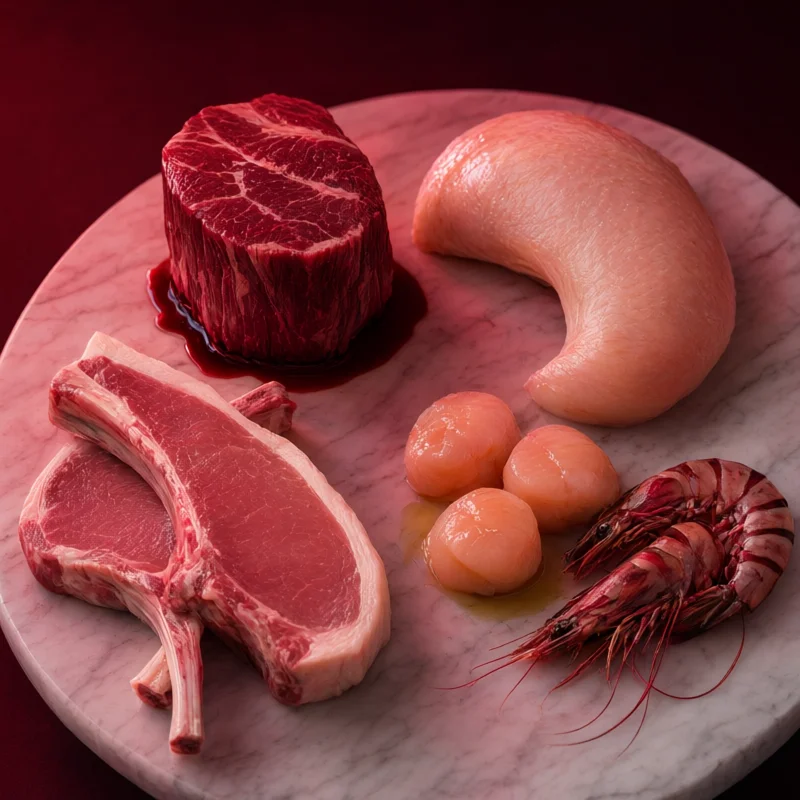
Heme iron is the most bioavailable form of iron, meaning your body absorbs it efficiently. If you're looking to raise ferritin levels, these animal-based foods are your best bet:
- Beef – A powerhouse source of heme iron, beef is one of the most effective foods for boosting ferritin.
- Poultry – Chicken and turkey provide a solid dose of easily absorbed iron.
- Pork – Another strong source of heme iron that can be incorporated into various meals.
- Seafood – Fish and shellfish are excellent iron sources, with many options also offering additional health benefits.
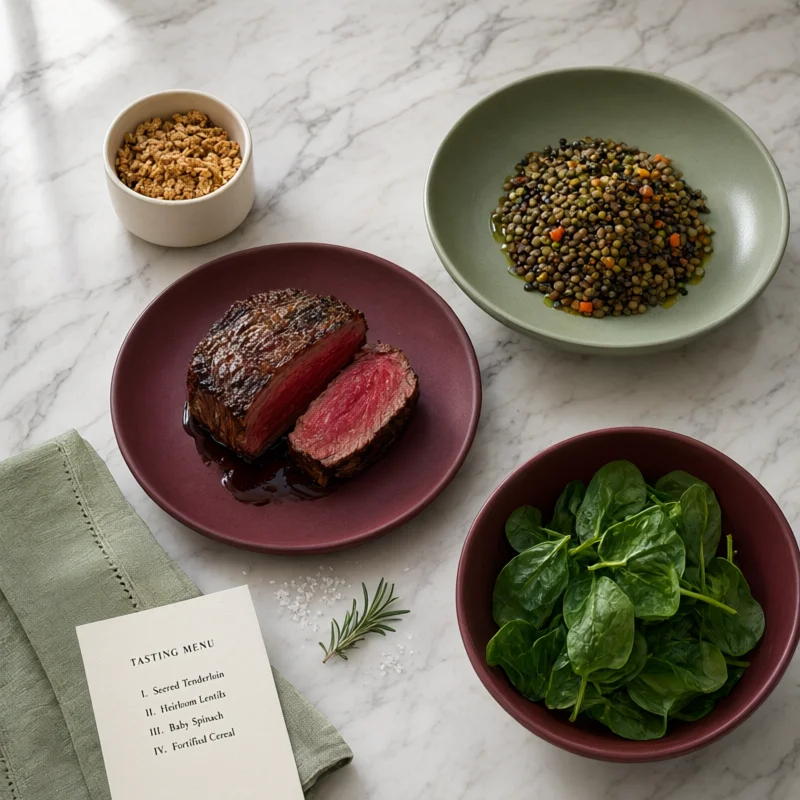
The Best Non-Heme Iron Foods
Plant-based iron sources are essential for vegetarians and vegans, and they're valuable for anyone looking to increase ferritin. While non-heme iron isn't absorbed as readily, pairing these foods with vitamin C can significantly enhance absorption:
- Fortified cereal – Many breakfast cereals are fortified with iron, making them a convenient option.
- Cream of wheat cereal – A warm, comforting choice that delivers a dose of iron.
- Molasses – A surprising but potent source of non-heme iron.
- Beans – Versatile and affordable, beans are a staple for plant-based iron.
- Lentils – Packed with iron and protein, lentils are a must-have for boosting ferritin.
- Spinach – This leafy green is renowned for its iron content.
- Tofu – A plant-based protein that also contributes to iron intake.
Smart Strategies to Maximize Iron Absorption
Eating iron-rich foods is only part of the equation—how you eat them matters just as much. Experts recommend pairing iron-rich foods with a source of vitamin C, such as tomatoes, strawberries, bell peppers, or oranges, to enhance absorption. Another pro tip: cook your foods in a cast-iron skillet. Foods cooked in the skillet will actually draw iron from the pan itself, giving your meal an extra boost.
Foods That Can Interfere with Iron Absorption
You don't have to cut foods out entirely for the sake of your ferritin levels, but timing is key. Certain foods can interfere with iron absorption, so it's best to enjoy them at least an hour before or after an iron-rich meal:
- Coffee and tea – Their tannins and polyphenols can significantly reduce iron absorption.
- Calcium-rich foods and supplements – Calcium competes with iron, so take supplements at a different time of day and avoid relying on a glass of milk alongside your iron-rich dinner.
- Wheat bran, legumes, and unsoaked grains – High-phytate foods can block iron absorption. Try soaking or fermenting these foods if you want to include them in the same meal.
- Eggs – Eggs contain a protein that binds iron, so it's best to avoid eating them along with foods meant to raise iron levels.
- Red wine – Its polyphenols can inhibit iron absorption, so be mindful of pairing it with iron-rich meals.
The Bottom Line
Raising your ferritin levels through diet is a gradual process, but it's entirely achievable with consistency and smart food pairings. Focus on including at least one high-iron meal per day, combine heme and non-heme sources, and be mindful of timing when it comes to coffee, tea, calcium, and other inhibitors. With these expert-backed strategies, you can support your iron stores and feel your best.
Explore more insights
Keep reading fashion apparel & accessories trends on TrendSeekin.
Comments 0